Solo designer
End to end product design
Research + Design
Reducing support requests by 60% by redesigning data access workflow
An effort by business stakeholders to democratise data access across 6+ business functions including HR, Data Science, Marketing, Finance and Supply Chain. I was the lead designer, redesigning the tool from the ground up in four weeks to a first MVP.
project setup
Bridgestone

Product Designer
1 Designer · 2 Developers · 1 PM · 1 Engineering Lead
2024
Beyond design and research, I also managed:

Aligning the room
I managed competing stakeholder priorities and got everyone to the same definition of what had to ship in three weeks. The effort-vs-impact matrix conversation with the PMs was the turning point.

Shipping and adoption
I delivered on time, built marketing collateral to get users excited about it, and saw the tool adopted across 6+ business functions.
PS: After Effects and Illustrator are now in my back pocket.
PS: After Effects and Illustrator are now in my back pocket.
problem understanding
Data access was a critical problem because data lived in different tools with different access workflows.
That delayed decision making, and teams were not sure whether they were using the right dataset for their analyses. Data lived in two major tools, Amazon Redshift and SharePoint folders, and neither worked for most people.
BARRIER 01
Redshift was highly technical.
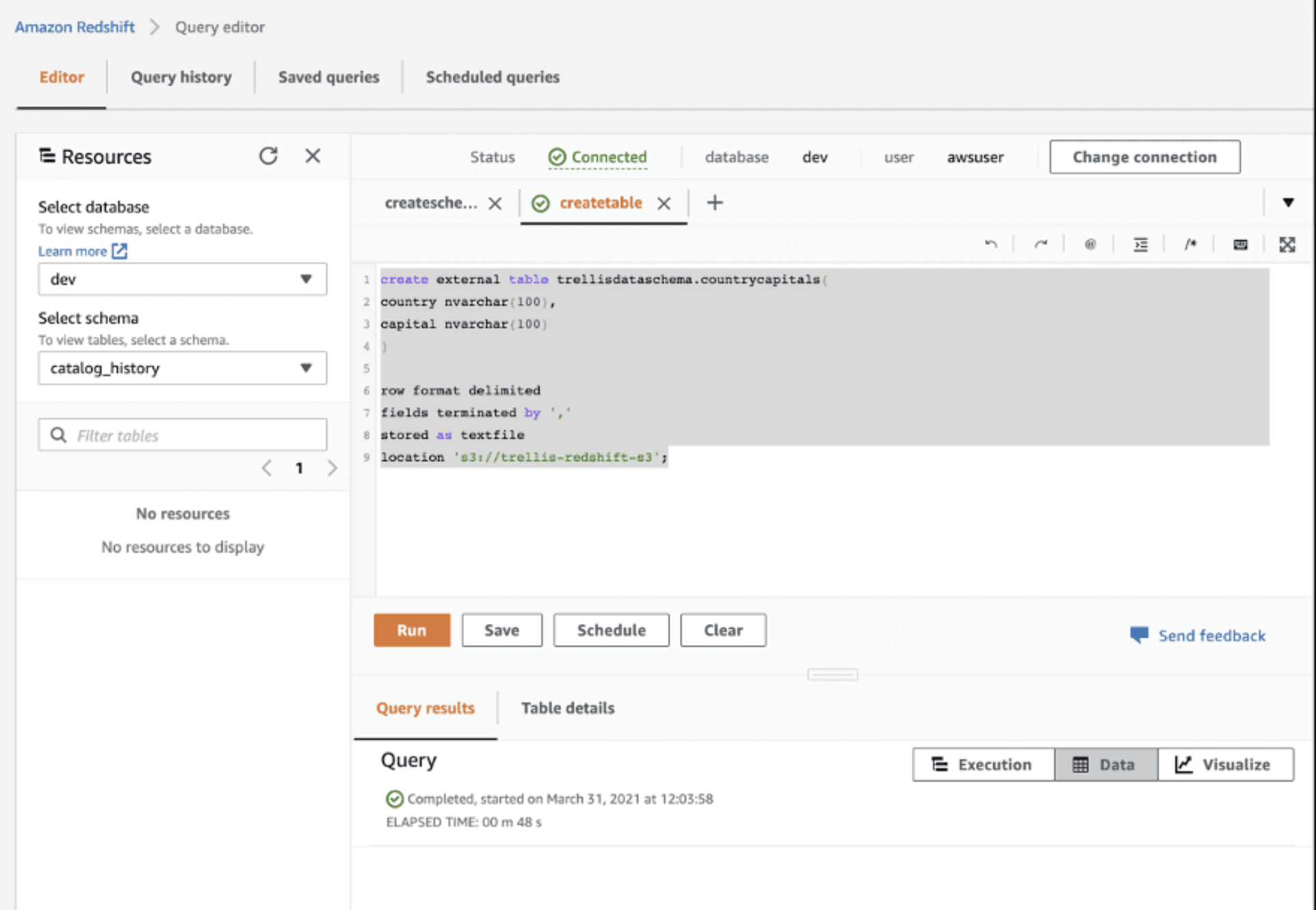
Data was queried through SQL. Finding anything meant writing a technical query against exact schema names like view__gold__str, so SQL knowledge was a prerequisite for access.
BARRIER 02
Access governance was a fragmented workflow.
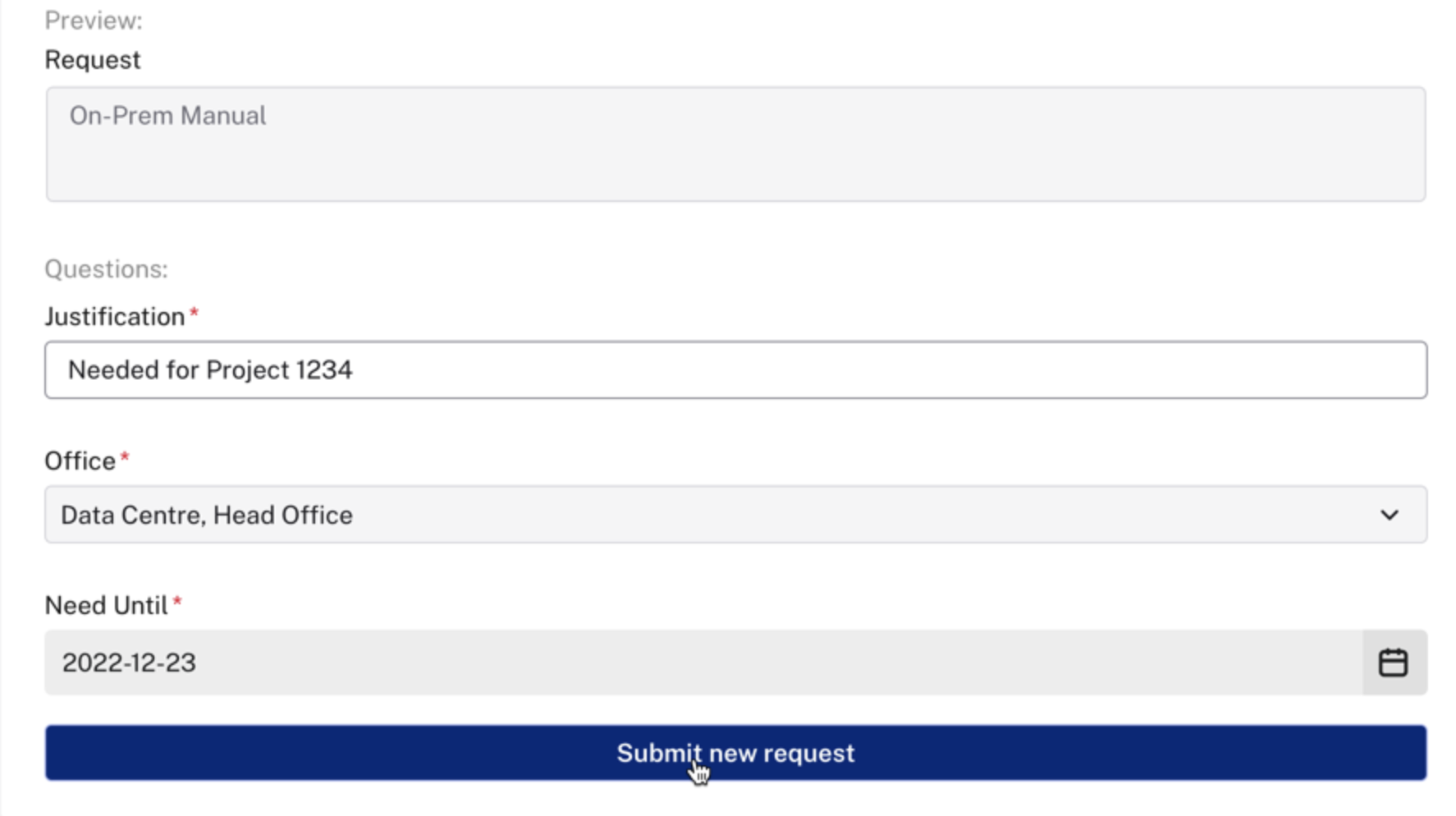
Getting access took multiple steps across email, Teams and ServiceNow, with three to five days of waiting and no visibility into who was reviewing. Teams chased data owners the whole way, still unsure whether the dataset they’d requested was the right one for their use case.
hence, data centralisation mattered
01
A single source of truth
One place that answers every data question.
02
Data-driven decisions
Easy access encourages decisions made on data rather than instinct.
03
Fewer internal requests
A shorter request pipeline makes the whole process more efficient.
the users
Two ways people meet data.


occasional user
Data in a role
power user
Data as a role
design decisions
DESIGN DECISION 01
Redesigned the search experience.
The current process of accessing data required users to know everything before searching for something. The datasets were technically named and had to be searched accurately to get the right results.
People weren’t arriving with the same intent, so I split the entry point around how they actually search.
ITERATION 01
Search through questions.
I designed this because I realised most analysis centered users searched for datasets to answer specific questions. They wanted answers, and also confidence that a dataset could actually help with their analysis. So I built the search page to mirror how the catalogue was structured, with every filter in view at once. It read clearly to people who already knew the vocabulary.
This was a mismatch with how users were used to seeing datasets. For occasional users it felt like a completely new workflow.
“I just want last quarter’s margin data.”
Marketing analyst, occasional user
ITERATION 02
Rectified the complexity.
I created two major flows. Users who knew what they were searching for could find it in under five clicks. Users who needed more support could explore datasets in the right direction.
I also divided search into Datasets, Reports and KPIs, because those were the three things users actually searched for.
“Browsing by business function got me to the right dataset without knowing its name.”
Data analyst, power user

fun fact
One of my recommendations was to implement a natural language search model. It was pushed back almost instantly, because this was designed and shipped at a time when easy LLM builds were still complex and took months.
DESIGN DECISION 02
Redesigned the data access workflow.
Previously, users had to raise a ServiceNow ticket and wait days before getting access, which delayed their business decision making.
I built dataset requests into the tool itself, so users could see who owned the data, where their request sat, and how long it would take to reach them. They could find and evaluate the dataset, submit with an urgency tier, and get routed automatically for approval.
the pushback
Teams saw this as overhead. A governance layer inside the tool meant the admin team and data stewards stayed in the picture, and owning the pipeline meant owning a new operational role.
I advocated for this flow and pushed for it through user testing results.
DESIGN DECISION 03
Improved confidence in finding the right dataset.
I worked with both user groups to identify what metrics and information they looked for when they needed a dataset, then redesigned the cards to show them data that way.
The card shows enough to judge relevance at a glance: human readable name, technical slug, domain, owner, certification badge and last refresh. It opens into Overview, Sample set, Glossaries and Comments for anyone who needs to go deeper.
The signals that actually build trust sit in the Overview: quality scores, teammate comments, ratings and download history. All of it before a request, not after.
The Redshift query editor, where finding data meant writing SQL.
Iteration 01
Iteration 02
The request flow, inside the tool
The redesigned dataset card
impact
230+
Datasets catalogued and discoverable in one place, across 6+ business functions.
60%
Reduction in data support requests to owners.
6+
Business functions onboarded across EMEA.